The first screening of student documentaries made in partnership with the Lincoln City Council took place on the 17th of January, 2024 in the Lincoln Arts Centre.
It was the first sign of success for a new filmmaking module called “Community Film”. The module is being led by Phillip Warnell, a lecturer at the University of Lincoln.
Phillip said on a LinkedIn post: “I’m extremely grateful to have colleagues such as Ben Anderson [from the Lincoln Arts Centre] and Frances Plant [from the Lincoln County Council] with the vision to be able to build community relations and documentary studies within the city of Lincoln.”
He said: “There’s genuine value in each of these projects for those involved, but they’re also evidence of the good work being done around the city.”
The module allows students to select a community project to document, which they eventually turn into a documentary.
Staff in the council coordinate the first line of contact between students and community projects. Students can pick from a long list of council-funded initiatives to film as part of their documentary project.
Paul Carrick, the neighbourhood manager for the City of Lincoln Council, said: “To see them [the documentaries] on the big screen is truly unbelievable.
Regarding the community projects, Rejwan Gareb, a first-year film production student at the university, said: “[The screening was] was really cute. I didn’t realise there were all these little things to do in Lincoln.”
From litter-picking to football clubs and charities, there were many different subjects covered by the screening.
Rachel Scarrott, a filmmaking and documentary lecturer at the university said: “The more you connect with communities, the more you find the unusual things that are happening.”
*Disclaimer: this was written in the style of a live updates page, for the purposes of a journalism assignment*
– Written on the 2nd Nov –
A fireworks celebration will be held in Lincoln this evening with street food, performers, DJs and a funfair-style carnival.
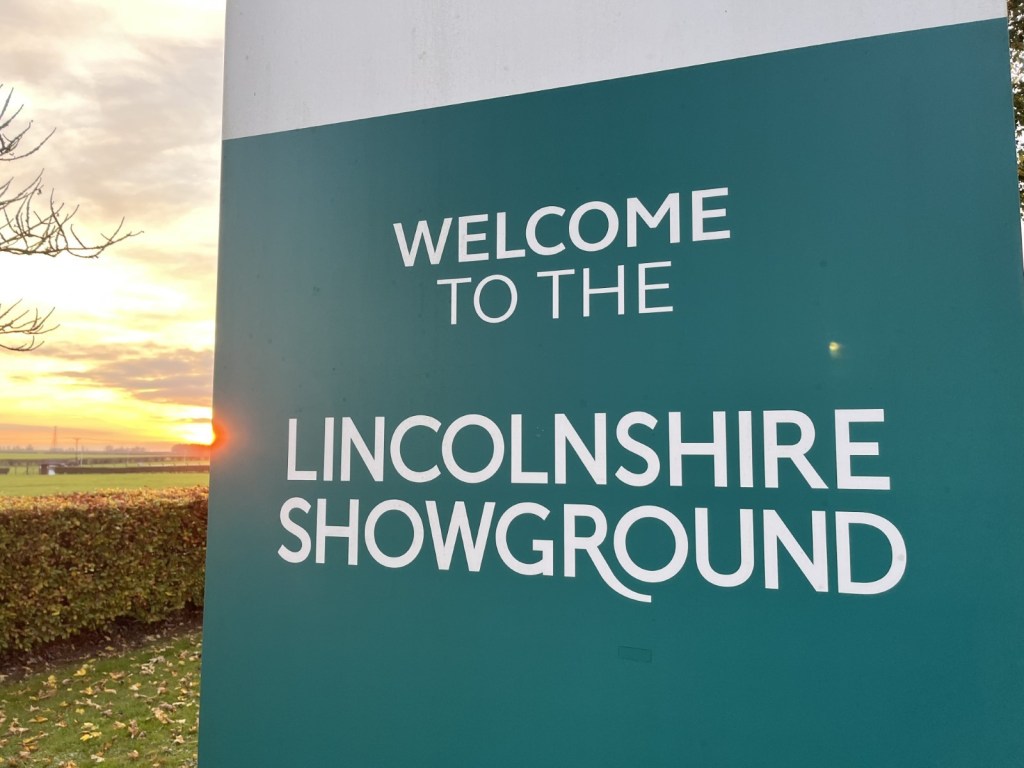
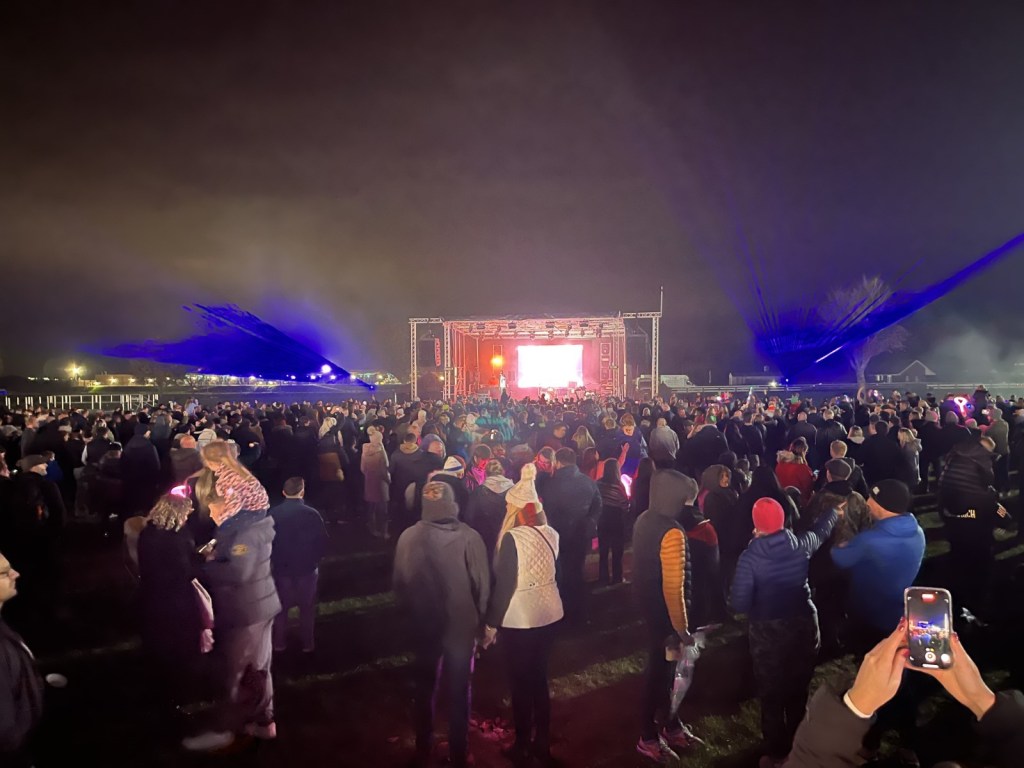
The Lincolnshire Showground will be hosting the Autumn Lights for its fourth year. Over 7000 people are expected to attend the family-friendly event.
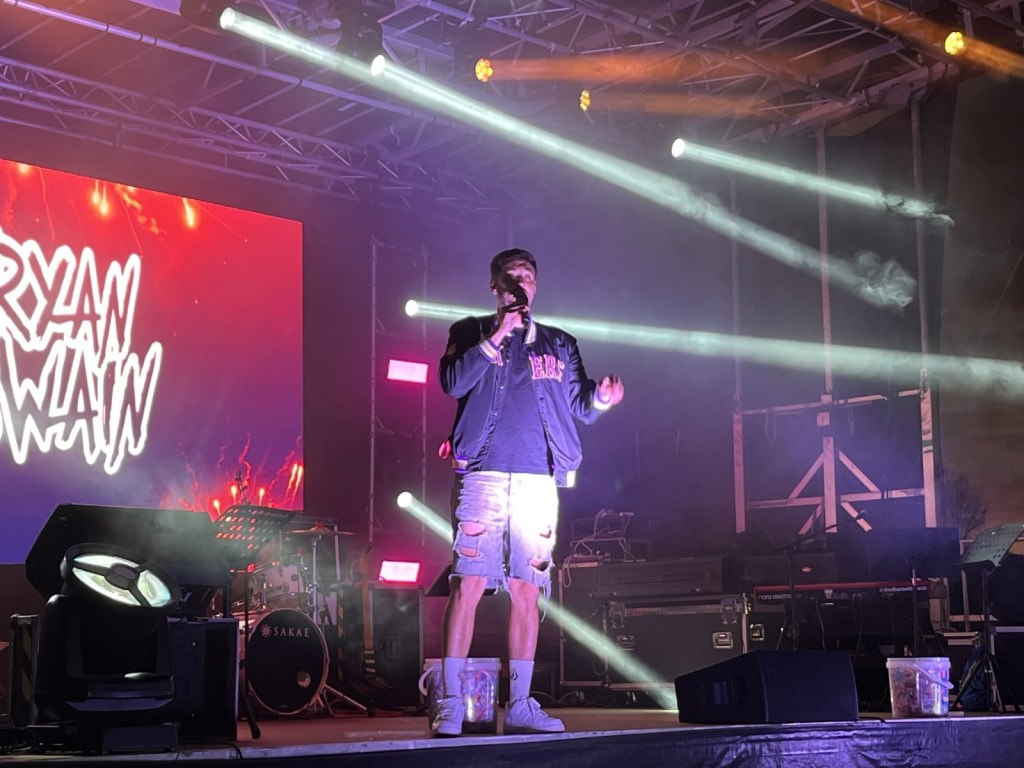
DJ and presenter Ryan Swain will be performing as well as presenting the event’s many performances.
Events:
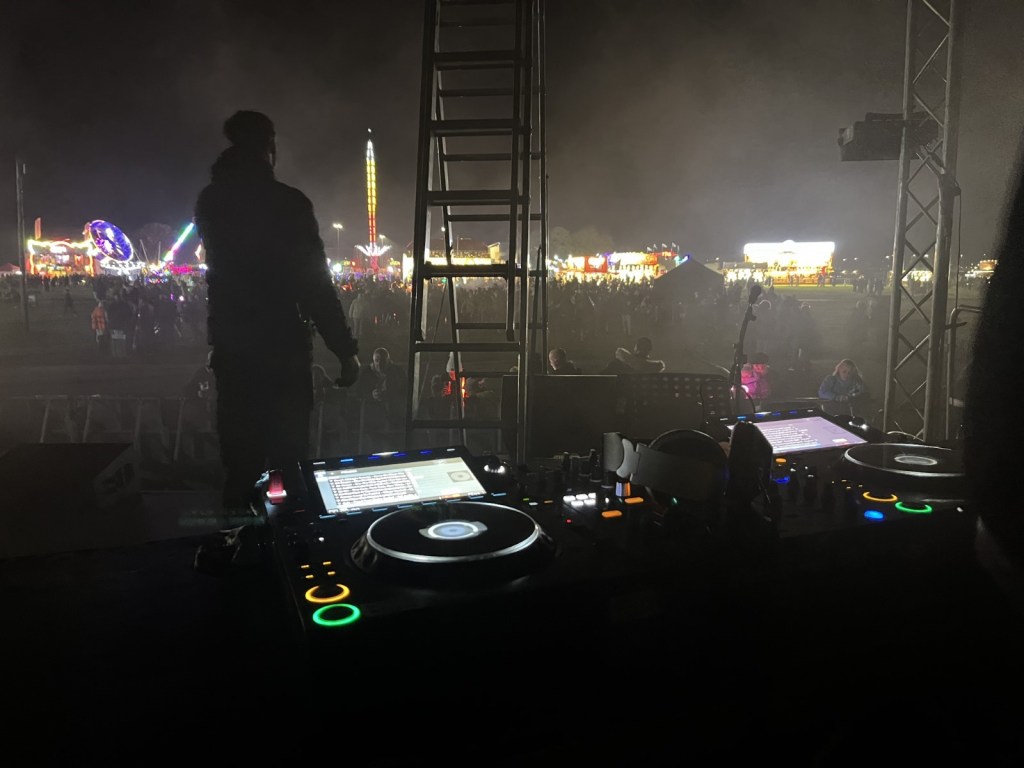
4.00pm: a welcome and DJ show.
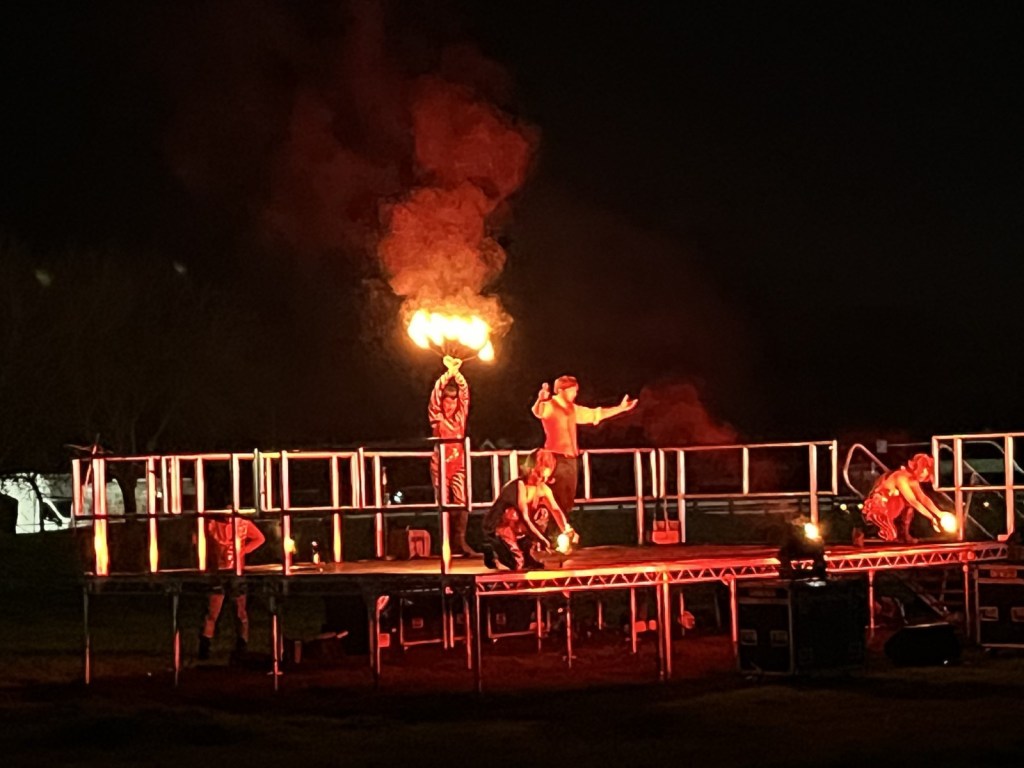
5.50pm: fire dancers and performers.
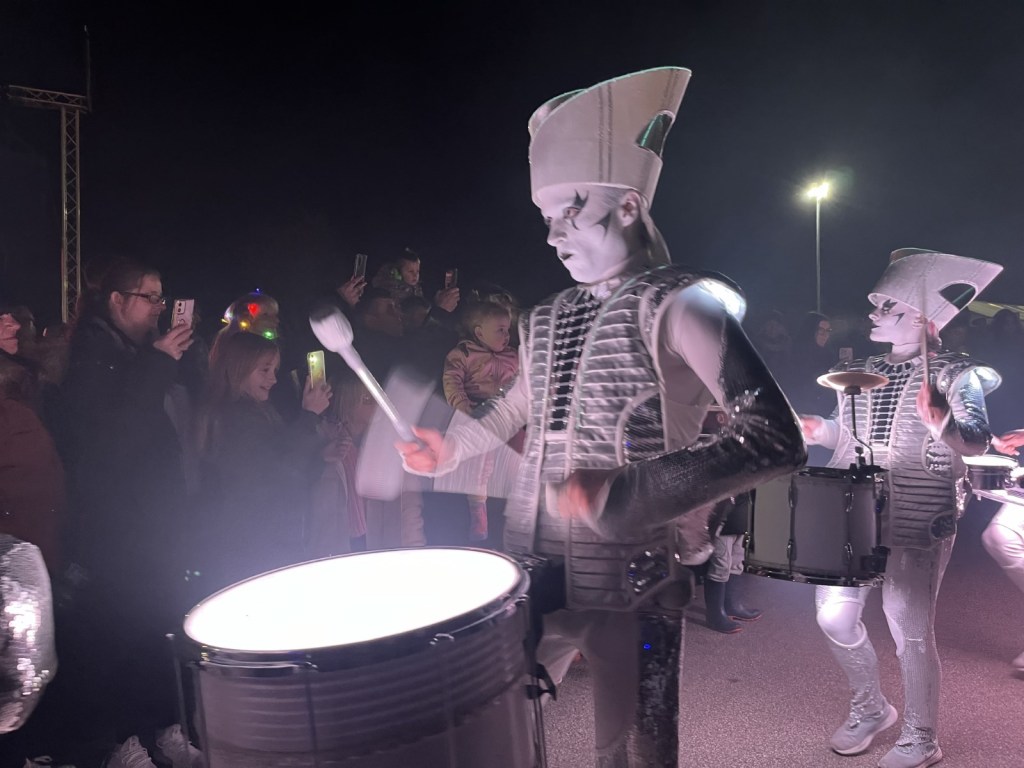
6.00pm: “spark drummers” performance.
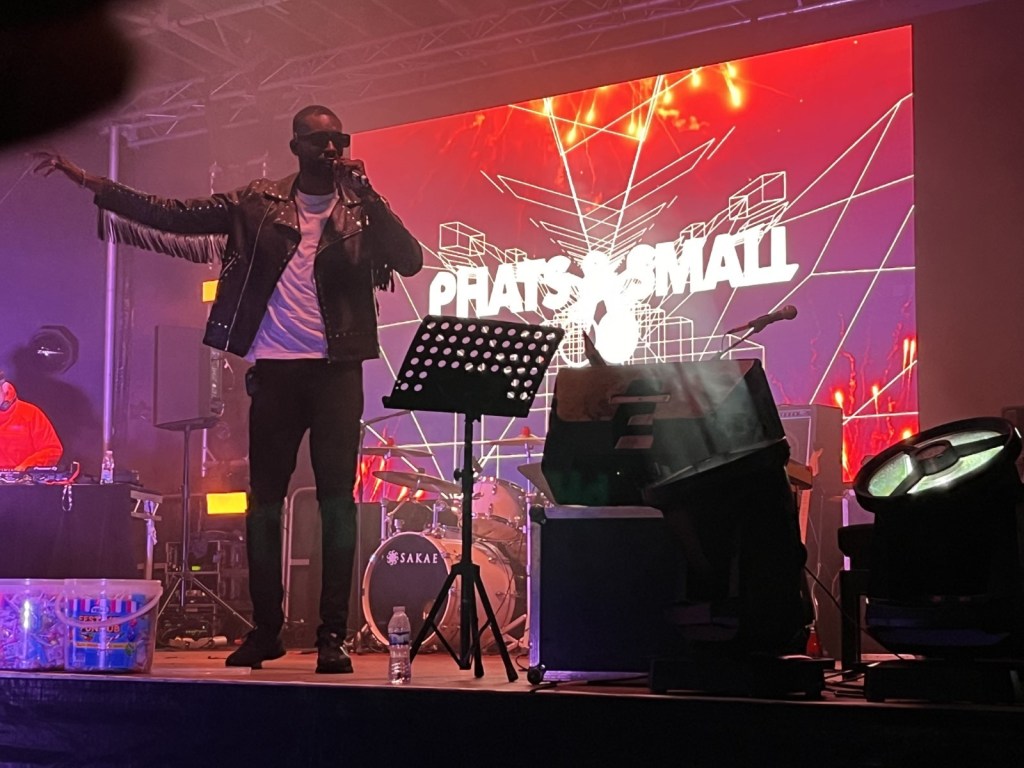
6.40pm: Phats & Small band performance.
7.40pm: children’s fireworks show.
8.00pm: party band performance.
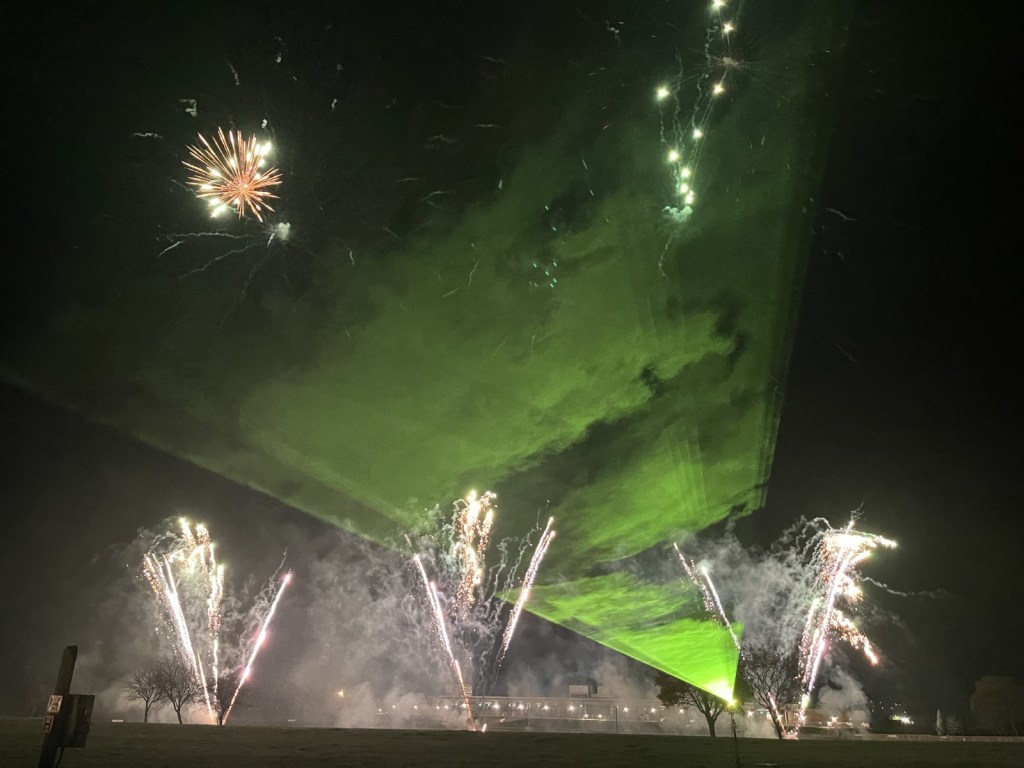
9.00pm: the grand finale fireworks show.
Stay tuned for live updates.
4.00pm
The last natural light of the day leaves the Lincolnshire Showground as the sun sets. It’s cold – around 11 degrees Celsius – but this will get more severe as the night goes on.
Over 7000 people are here to endure the temperature and enjoy the show.
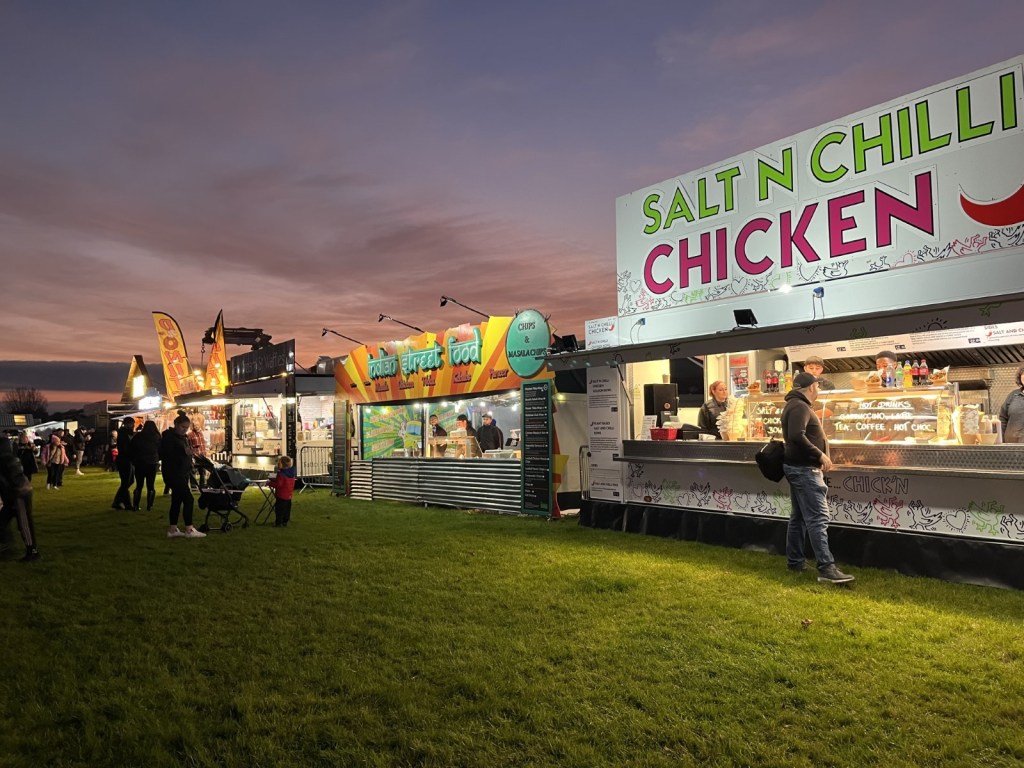
More than 20 food and drink stalls are on the site including a bar, a Cadbury’s hot chocolate stand, street food and sweet vendors.
4.50pm
With another 2 hours and 50 minutes until the first bang, I spoke with the senior firer for today’s show. As the lead pyrotechnic, Rick Rawson’s job is ensuring all the fireworks go off safely and smoothly.
The 37-year-old said: “We fire electronically over 800 individual firing points with 60 shots to 120 shots [each], so it’s hell of a lot.”
For context, a shot is an individual effect, or firework. With 800 individual firing points with an average of 90 shots each, that is 72,000 fireworks altogether!
5.12pm
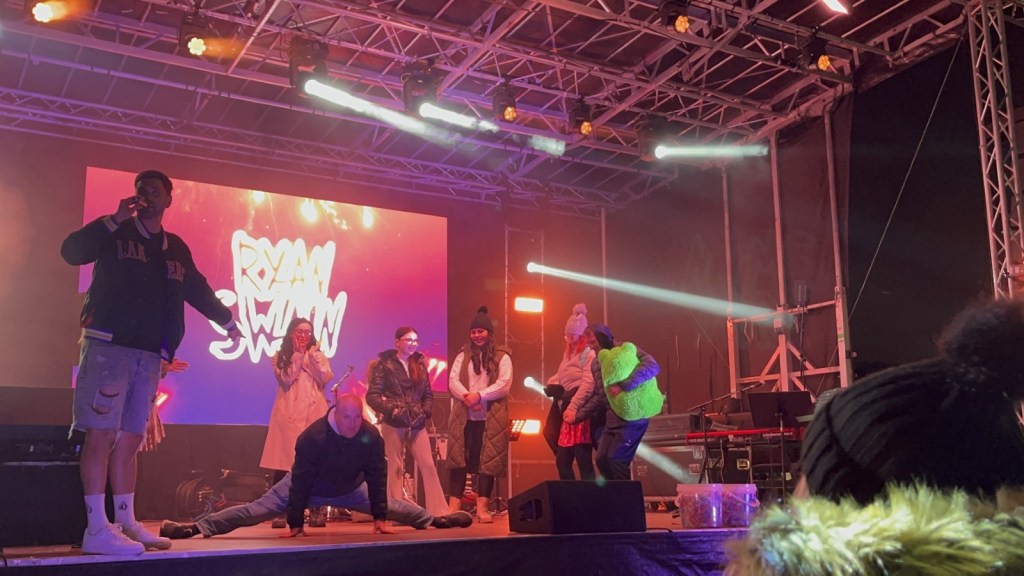
DJ and presenter Ryan Swain is calling people to the main stage area, where he will be unveiling a challenge for the audience.
This will be for a “dance-off,” with the winner pressing the button to begin the next fireworks display taking place at 7.40pm.
5.31pm
The winner has been crowned by Ryan. “Matty” was chosen for his unexpected splits move.
However, he gave his prize to a fellow competitor’s daughter, Esme from Lincoln.
She will be on the main stage to push the button later, setting the fireworks for the first display.
5.44pm
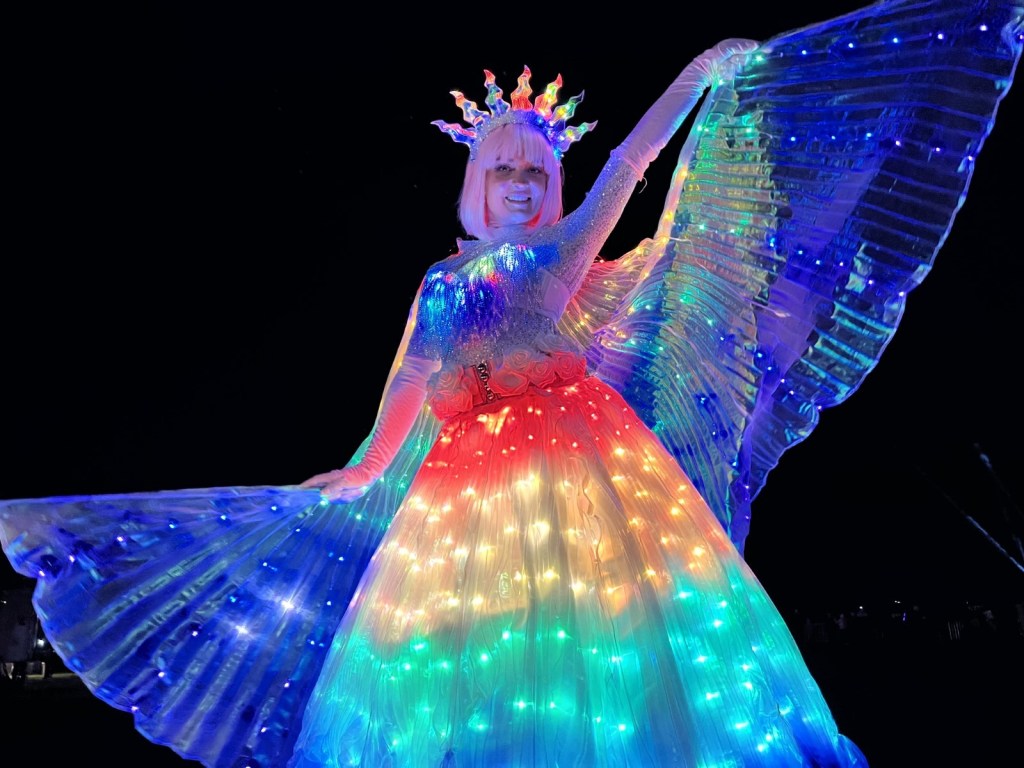
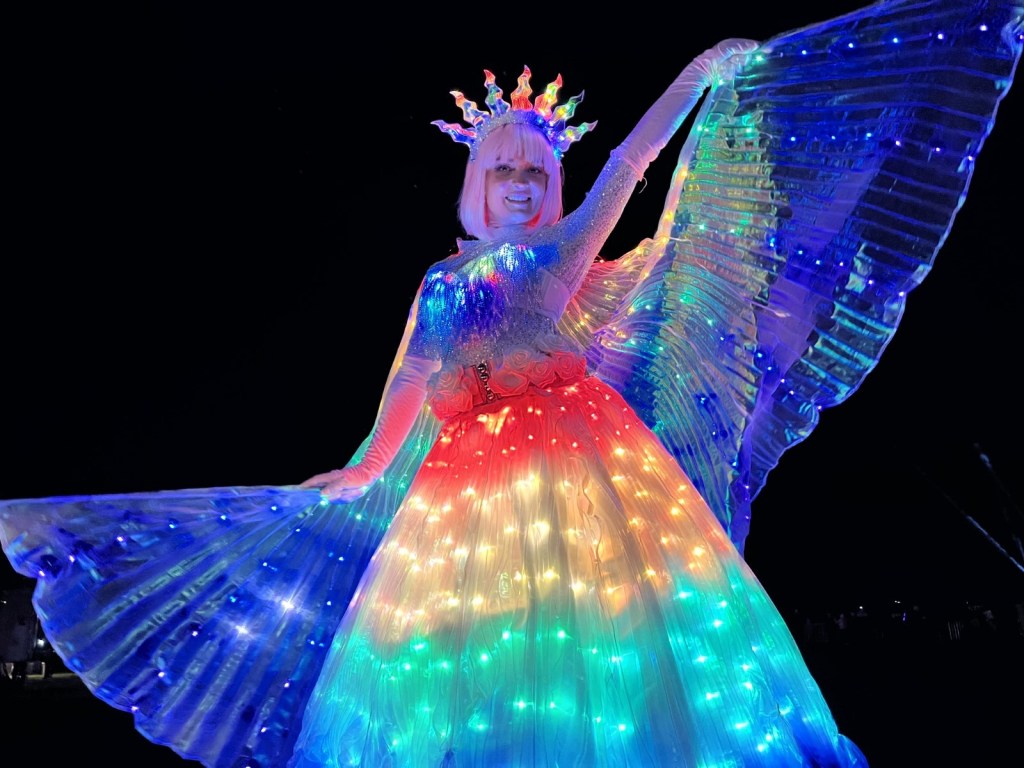
Light performers on stilts will be taking pictures with the audience throughout the night.
Their costumes vary but are all very colourful and bright.
5.50pm
Light dancers have begun performing to music from the Greatest Showman. With only four individuals on the stage, it is not anything like the Hugh Jackman musical.
Still, families and friends are enjoying it, with visible smiles all around.
5.54pm
Did you know? Fireworks originated in China over 2000 years ago.
The haunting presence of the spark drummers is now here.
With their unchanging expressions and near-tribal beat, they present a different vibe to the other performances.
6.11pm
The audience is waiting for the next event, as I am waiting for Ryan Swain to speak with me about the Autumn Lights.
The 7000-strong crowd is a sea of heads from the stage, which is where I will be interviewing Ryan.
6.17pm
Ryan Swain introduces himself as a DJ, entertainer, actor, professional skateboarder and “potentially the most famous person you’ve never heard of”. He is presenting this evening. He agrees to speak with me on the main stage area.
He said that his highlight of the event is “to see the crowd, the look on their faces, not just with fireworks but with the music as well.”
“It’s to try and engage with them, get them involved, make them feel like the stars of the show, which they are. Because without the audience, we wouldn’t have a show.”
He said that every year, the shows get “bigger and better.”
6.21pm
Also on the stage is Jason Phats, 54, from the electronic band Phats and Small. He tells me the band have done “around 80 gigs” since March but will be wrapping up for the Christmas period.
He also tells me there is new material coming out next year, pending negotiations that he “can’t really talk about.” He also tells me what it means for him to perform in Lincoln tonight.
Vocalist Ben Ofoedu is on the stage, performing alongside Jason.
7.00pm
Fireworks are composed of many materials, but only a few give them their colour. Here is an infographic explaining what elements are responsible for the colour of a firework.
7.35pm
The crowd for Phats and Small is massive, with most attendees taking their loved ones to hear the music of the electronic duo. The music is a wide range of party house music, appropriate for all ages.
7.57pm
The first firework goes off! The children’s fireworks show gives younger audiences the opportunity to see fireworks during a more sensible time of the night.
8.09pm
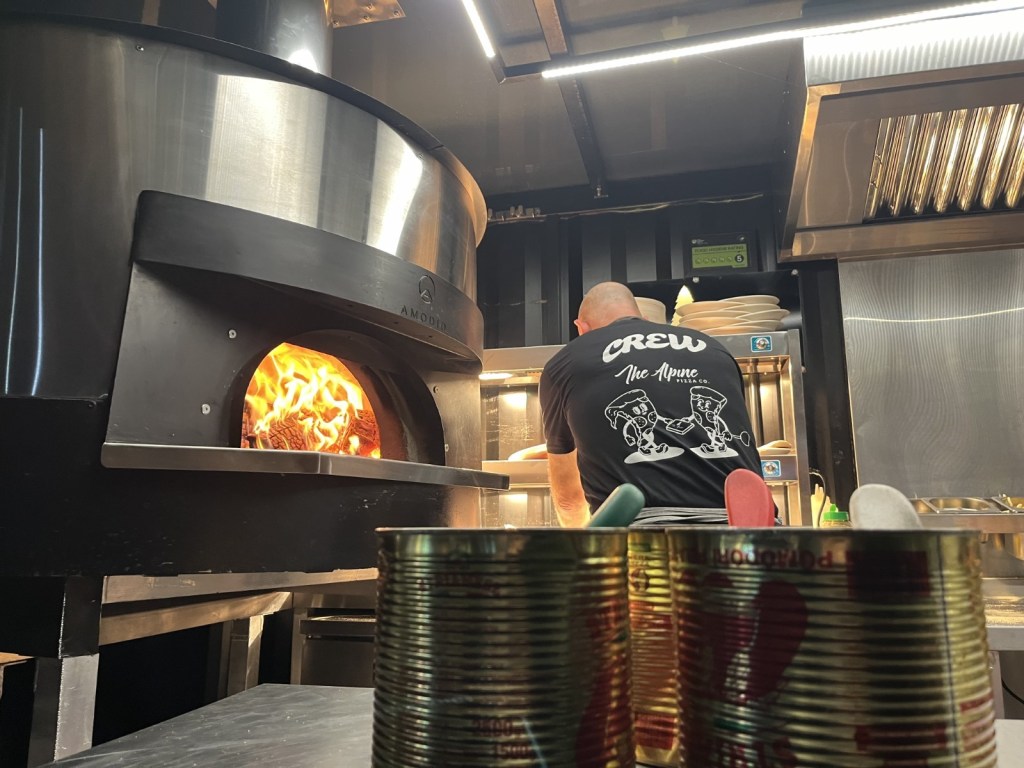
Another “fire performance” takes place in the food vendor area, as handmade pizza is stone-baked. The variety of entertainment, games and food is massive here. Although the event does not cover the entirety of the Lincolnshire Showground’s large area, it has plenty to keep everyone occupied – and full.
8.51pm
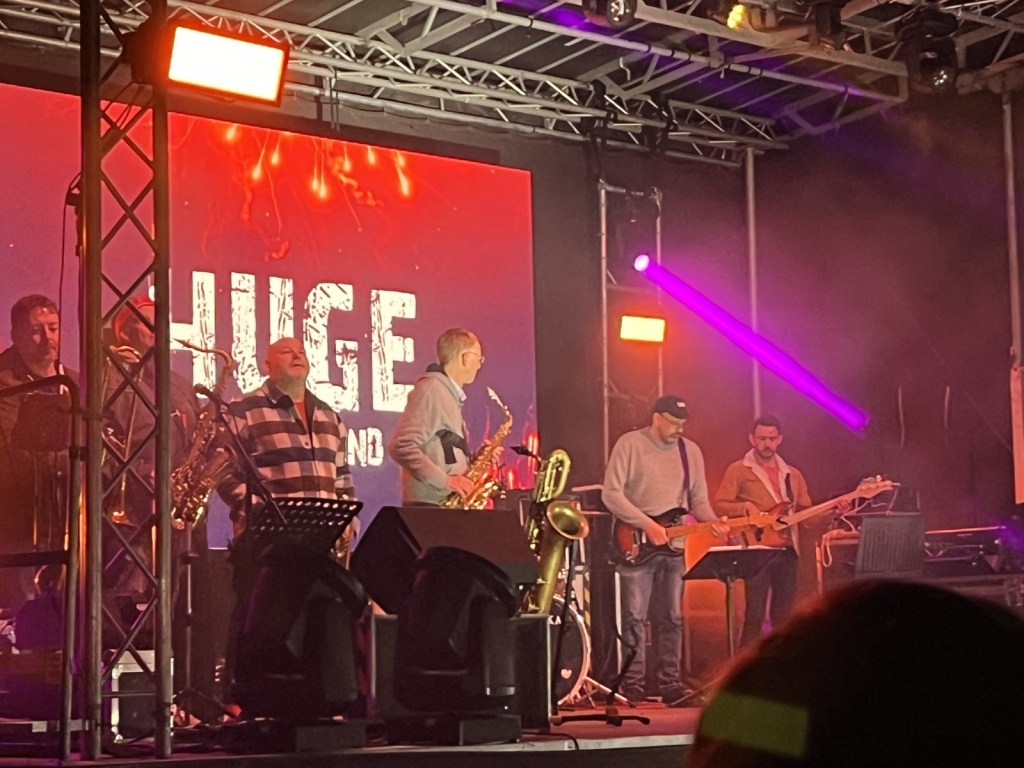
Next up is the Party Band with a four-piece wind instrument set as well as guitars and vocals. They are performing well-known songs by artists such as Dolly Parton and Freddie Mercury. They are also running over their schedule time.
9.21pm
21 minutes after its official schedule, the final fireworks display is taking off to an explosive start, with music-synchronised explosions of light. Although on a much smaller scale, there are similarities to be drawn with London’s New Year’s Countdown. Throughout the event, the music choice was a wide mix of well-known tunes from the past, and popular tunes from the present. This display is no different, with multi-era songs being played through the several-minute long show.
9.27pm
That’s all, folks! With the final fireworks fizzled out, people are making their way home after a colourful day at the Autumn Lights event. The presenters, performers and journalists on location wave goodbye to you all.
As the name suggests, the Great Ocean Road is a big deal. Not just because of its 234-kilometre length, but also because it serves as a World War 1 memorial for fallen soldiers.
As the name also suggests, the road is situated near the coast, with beautiful views to explore along the way.
Tours are available for people to visit the Great Ocean Road and all of its associated attractions.
I went on a tour, which started in the Melbourne city centre and ended in an ice cream factory in Brellbrae.
These are my thoughts on the experience…
The tour started at 6.30 in the morning. An early start was unfortunately necessary. To get there in time, we had to leave the hotel at around 5am at the latest – resulting in my alarm being set for 4am…
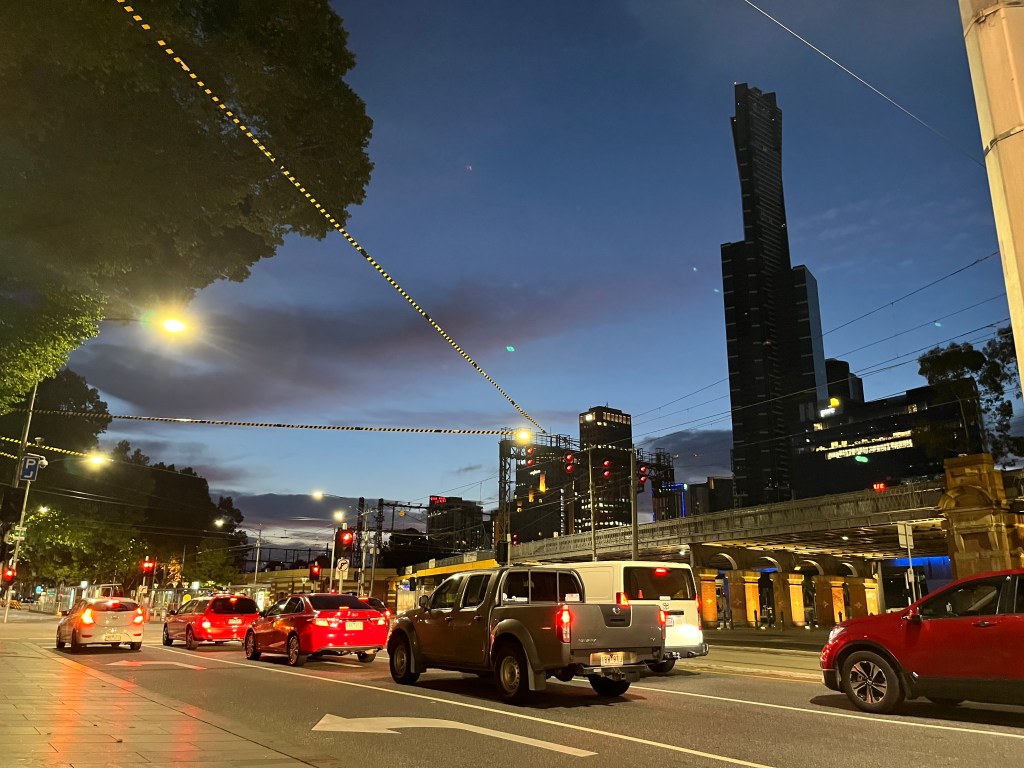
The collection spot was two tram rides away from the hotel, so that paved the way for a new experience exploring the city in the dark.
This was interesting, and surprisingly a lot safer than I expected. That being said, homeless people and intoxicated party-goers were very active, so I would recommend anyone going into a city at night to take a friend.
Getting picked up was reasonably smooth sailing, although the driver was a few minutes late. When he arrived, the talking started and it rarely ended until after the tour had concluded.
Driving out of the city was an educational experience, as the driver explained some of the facts and figures about the local sites and bridges that we passed.
Skip to an hour or so later and we arrived at our first stop for breakfast. There were plenty of stops along the way (although perhaps an hour and a half leg without a stop was unfortunately timed for my bladder).
A deadline of 20 minutes was given at each stop, with a “generous” 40 minutes for lunch.
This leads me to my main criticism.
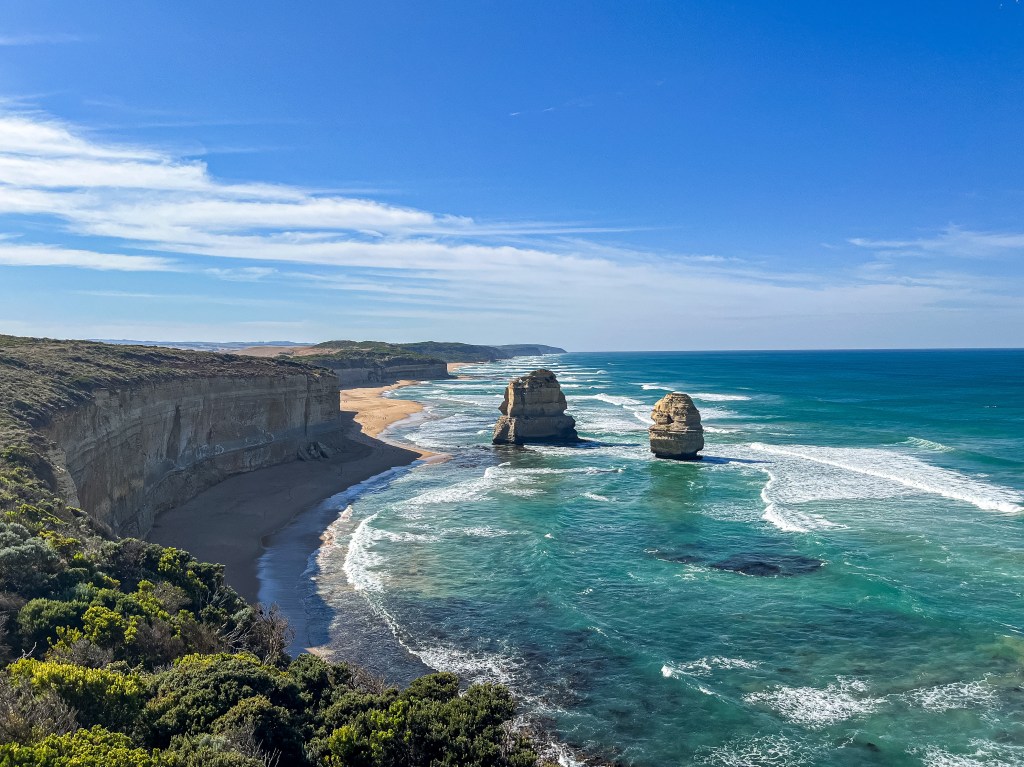
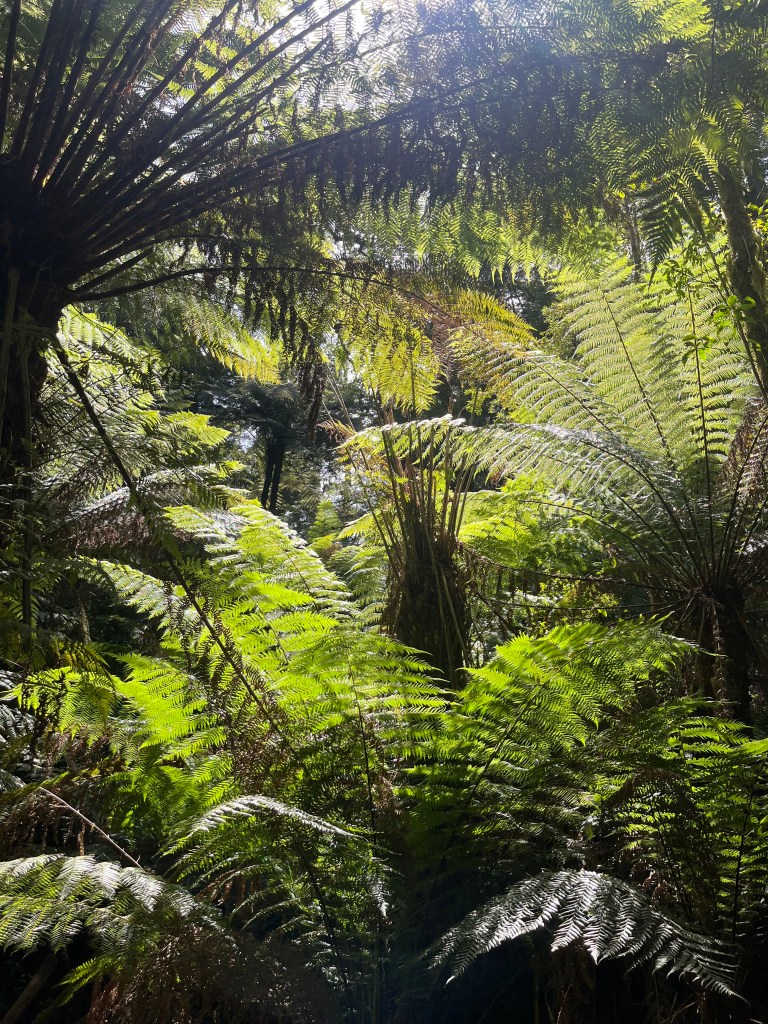
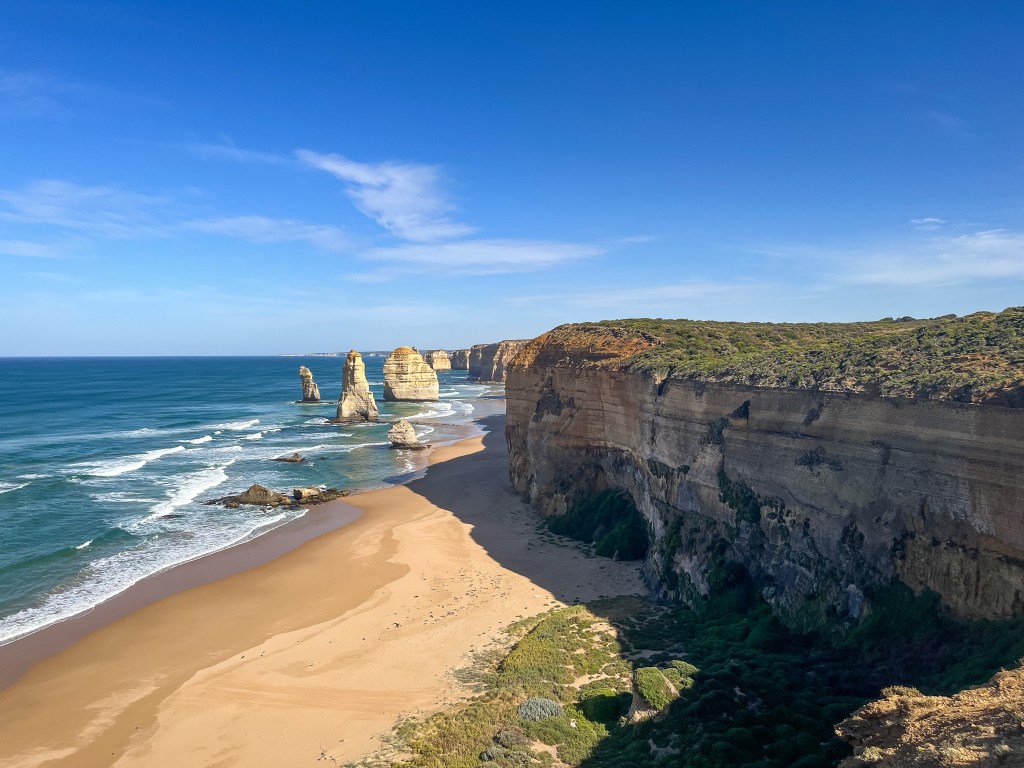
The tour was beautiful, but rushed. I felt that I could never settle in one location. From the 12 Apostles to koalas in the forest, there was never enough time to really soak in the moment.
By the end of the 13-hour trip, I was quite ready to lie in bed and recover.
The experience overall was a good done, with stunning scenery to remember for a lifetime.
But it was also a rushed, stressful experience. I would recommend anyone using a short one-day tour to see it simply as a reconnaissance for future travels.
Alternatively, take a weekend tour instead.
See the sights, and then return to your favourite ones for a hotel stay. And then sleep in at that hotel. Ideally, past 4am.
Nothing says boutique like a personalised experience and at the Moffatdale Ridge winery in Queensland, Australia, that is what exactly I got.
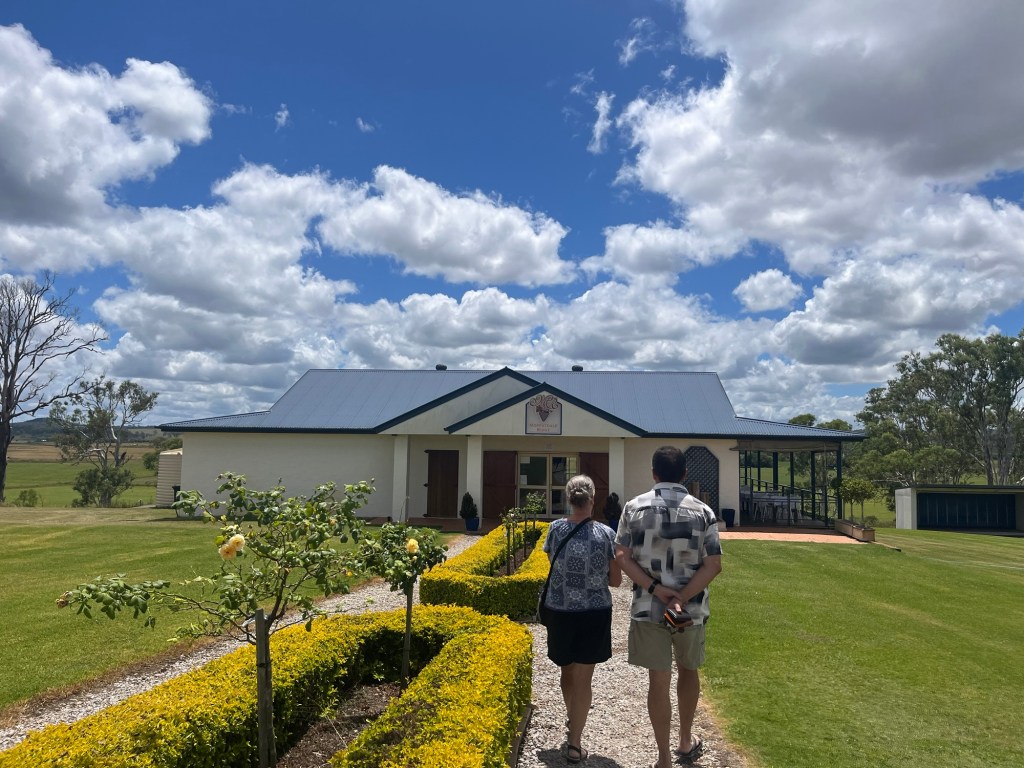
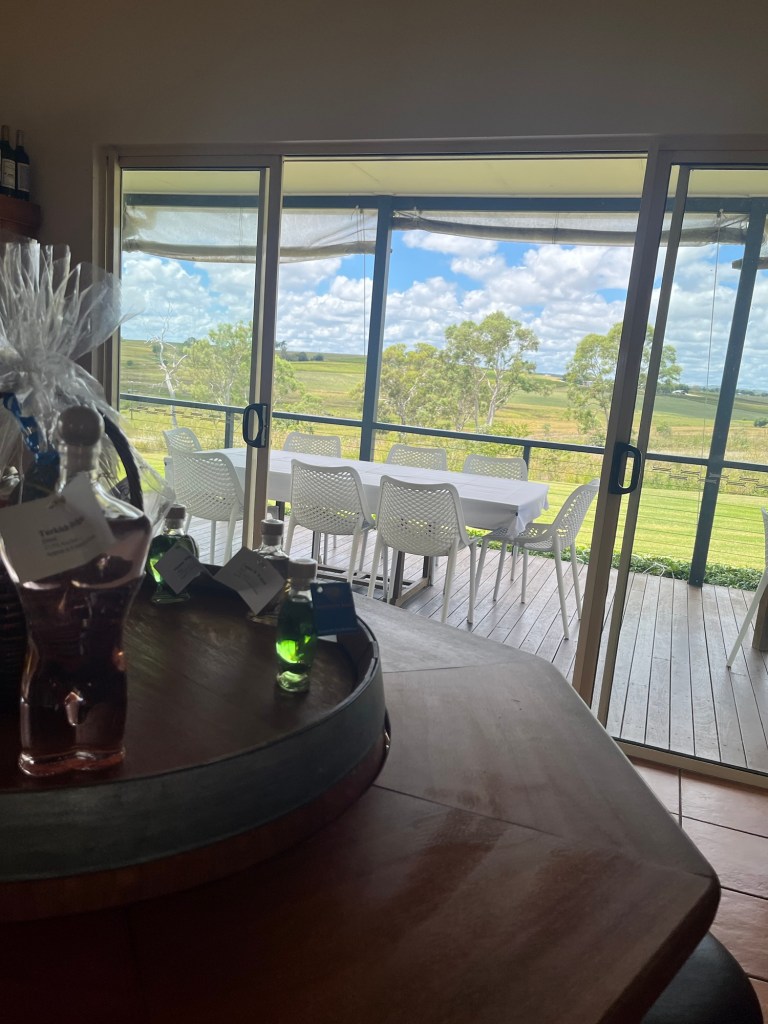
Despite the large property, the visitor facilities are reasonably small. Next to the parking area are two buildings. One is for the wine, the other is for the people drinking it. I can imagine the place gets busy on weekends, but that was not the case on a Monday morning.
The tasting room is essentially an open-door small shop, with the classic cold tiled floors you will find in the majority of Australian facilities.
Drinks line the bordering shelves of the shop. Some are in giftable shapes and sizes, and others are in standard wine bottles.
The family-run place has a surprisingly large variety of wines and liquors. For the mature palette, there are several dry wine options and a few sweet ones.
The wine tasting itself was free, as it allows people to understand what they would like to purchase. As someone who merely likes wine, I found that there were some that I loved. Their late harvest white has the unique flavour of the rare-find Hannepoot wine, despite using a different variety of grape altogether.
Outside the shop on the veranda, people can also eat a meal between tasting the wines and liquors.
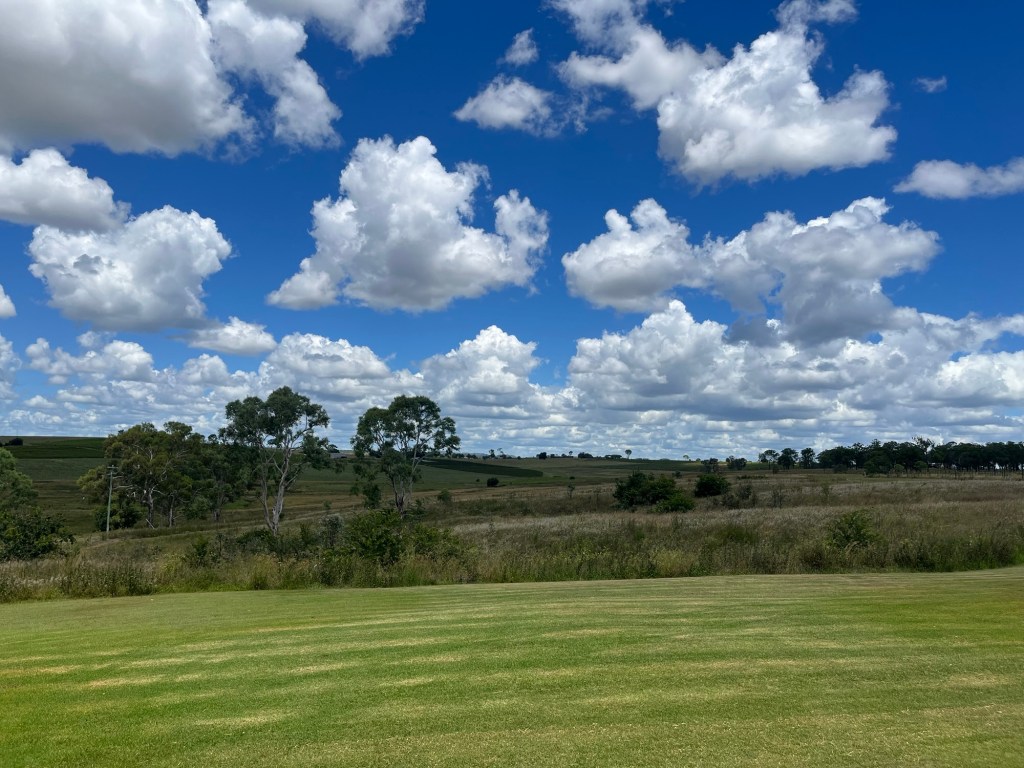
The deck overlooks the rolling hills of the Barambah Valley. In the distance are specks of cows and rows of grape vines.
It is a surreal scene deserving of an oil painting equivalent.
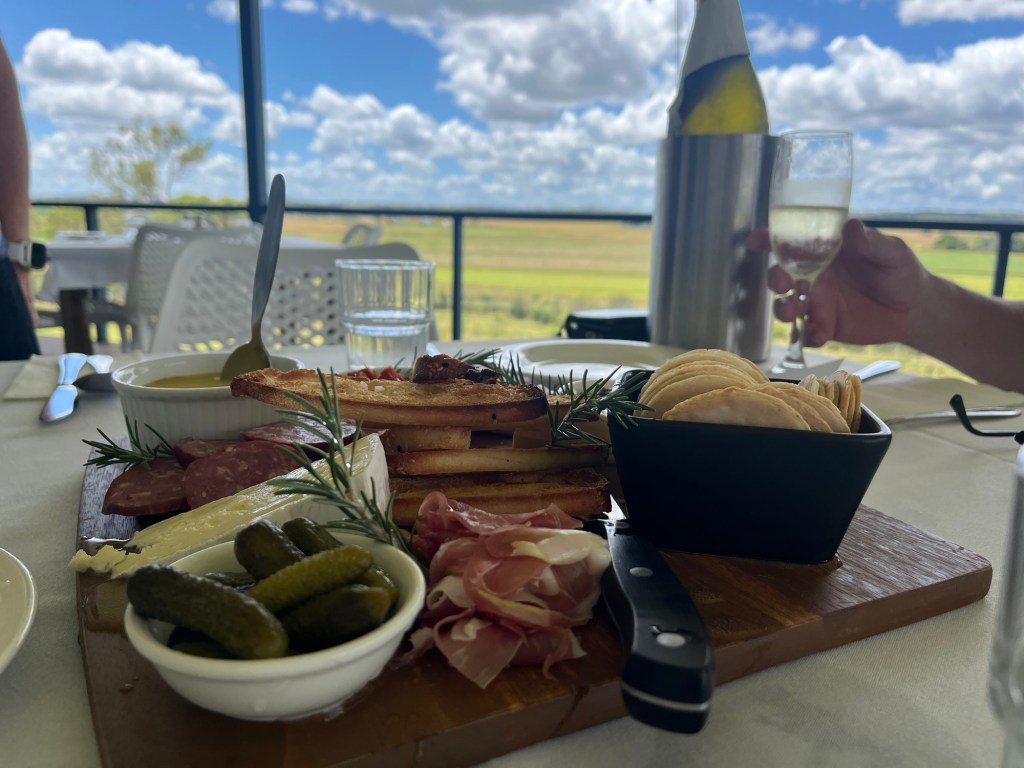
The food was decent, and between four people, the $45 (or around £22.25) “wine makers platter” was enough for all of us. That included toast, crackers, cheese, dried meats, gherkins, chicken liver pate, sundried tomatoes and chutney.
After some stunning views and good food, the liquors and fortified wines were next.
These were unbelievably delicious. I wanted to make my tasters last as long as possible.
Suzan Kinsella, the owner of the winery, served us throughout and was evidently proud of her produce. She had no trouble answering our questions about the process and wine overall.
The one-to-one interaction made the experience feel particularly special. As did the views.
Overall, the environment was friendly and intimate. With the romantic landscape and atmosphere, this winery is a must-have stop for anyone* going through the region on a quiet Monday.
One thing I have heard a lot from my family is that the Brisbane area is the next big thing. Many people are said to be moving there, and I can see why.
True, my family might be trying to convince me to immigrate here. But there is some validity to their words. According to the Australian Bureau of Statistics, Brisbane is ranked the third city in population growth, and is set to grow.
Migration is increasing, as more people leave Sydney and Melbourne.
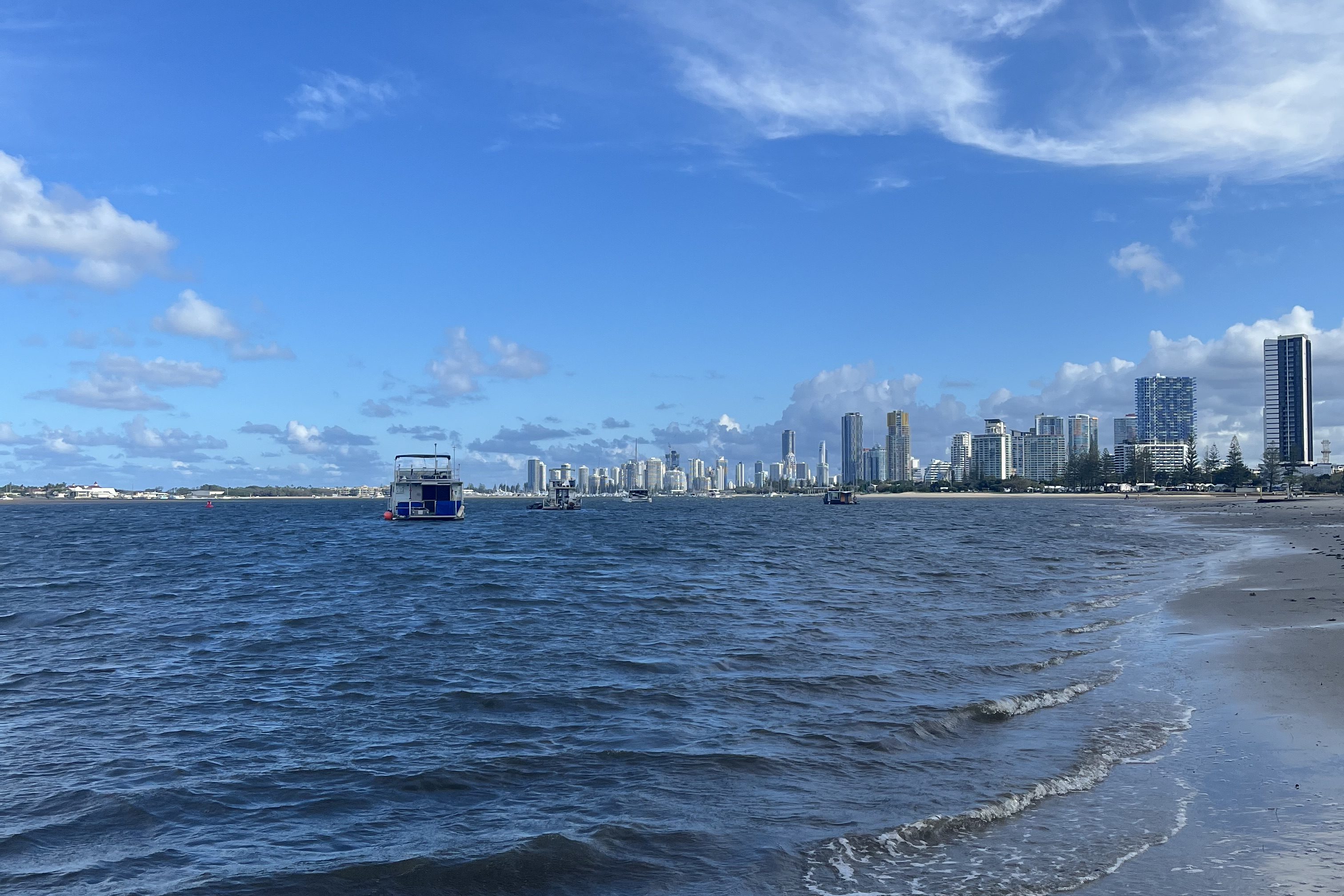
Brisbane is a popular city, but so is the Gold Coast, another city which is just south of Brisbane. It has a smaller population (a mere 625,087, according to a 2021 census), which is half of the 2021 Brisbane City population.
This is the area that I have been spending the last two weeks exploring. This is what I have found:
The Beach
It goes without saying that the Gold Coast is a costal city. That means sand, waves, and naturally, surfers.
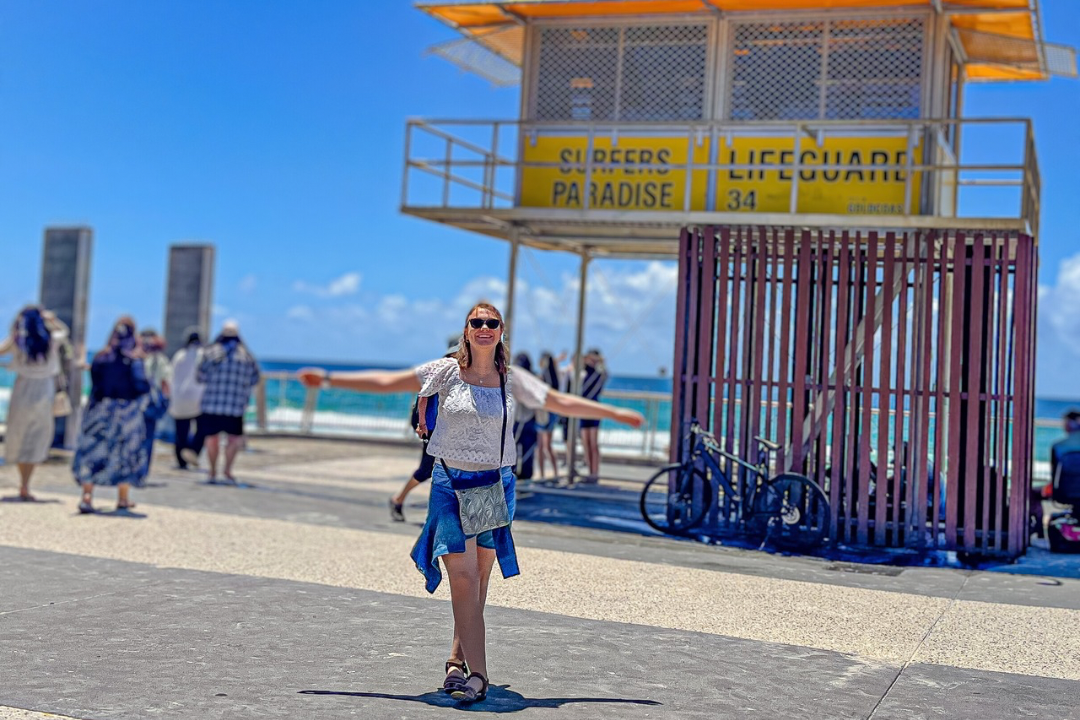
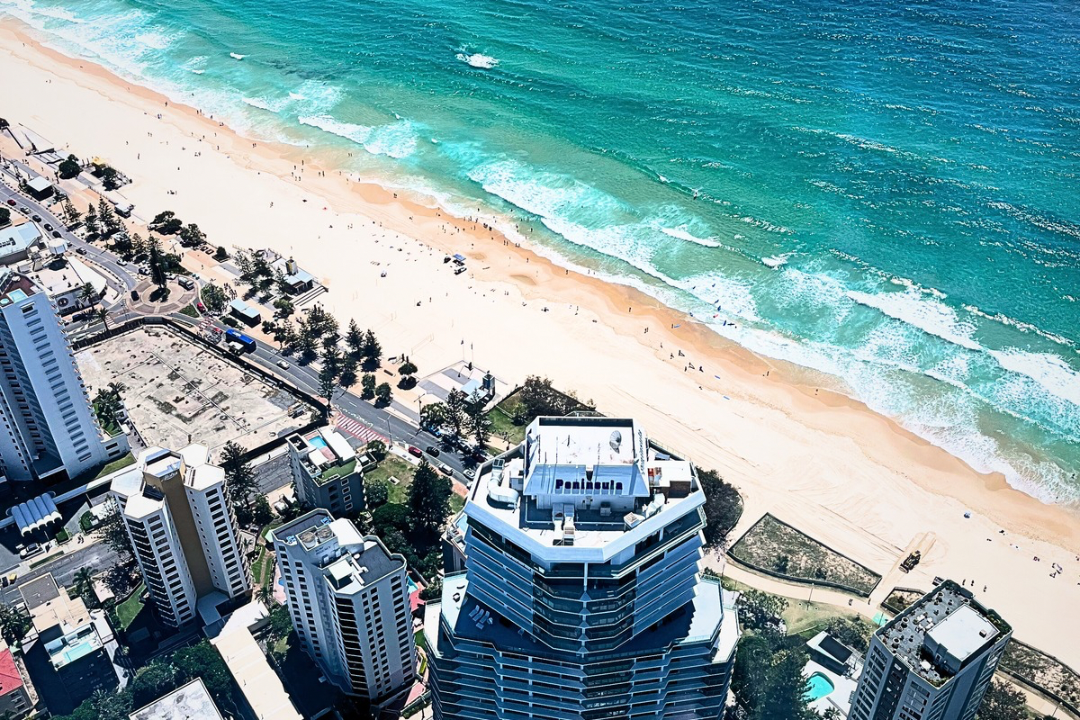
Surfer’s Paradise is the name of the beach next to the city, and as the name suggests, is a go-to spot for surfers. People scatter like ants along the shoreline, chasing the perfect wave. The atmosphere is lively and the city’s facilities are all close. Who wouldn’t want to enjoy a McDonald’s ice cream while walking on the hot sand?
As well as the beach tourism, you also have a variety of interesting buildings to explore, such as Q1.
Q1
Q1 is the tallest tower in Australia, and overlooks the beach as well as the city. Standing at a whopping 270m above sea level, its 78 floors stretch high into the sky. It is one of those places that is a real treat to go to. Breakfast, sightseeing and air conditioning are all available here.
Hollywood
The film industry is also prevalent along the Gold Coast and in Brisbane. Warner Bros’ Movie World is local to the Gold Coast and film studios such as Village Roadshow Studios have earnt the area the name: “the Hollywood of Australia”.
Films made in the area including Elvis, Thor: Ragnarok, Aquaman and Kong: Skull Island.
Greenery
The wildlife is also incredible, with dolphins, bull sharks, pelicans, and kangaroos sharing the land (and water) with the locals. The further you venture out, the more likely you will find nature. The green scenery of Springbrook National Park is over an hour’s drive away, but worth it for the wild views.
I have been told that the nightlife is also wild, but I have not tested this theory out for myself.
Overall
The Gold Coast is an incredible fusion between tropical and modern, with a culture that exudes sunshine and opportunity. It is a beautiful location, and its potential is certainly being recognised by many people.
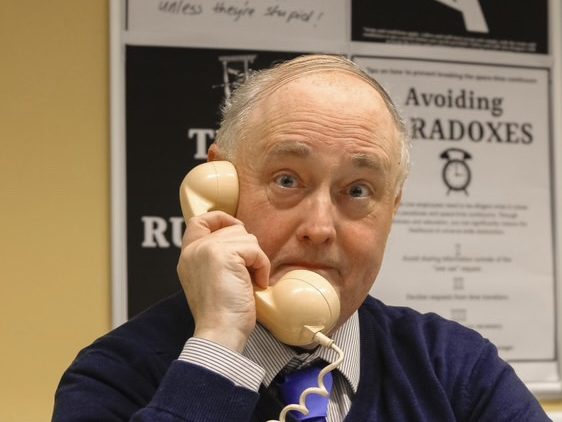
“This is the time Line, when can I direct your call?”
I wrote the script for Time Line under creative boundaries. It was going to have a short running time, a small cast, and only a few locations. The theme was “time” and it was something I wanted to laugh at.
I never expected to write another script in 2024. I thought one was enough. I intended to take a break and focus on my journalism studies. Until one of the filmmaking lecturers asked me the question:
“Are you sure? It could be fun.”
Well, the simplicity was nice while it lasted.
I jest. The quiet was very boring and I was happy to be persuaded to work on another film again. I wrote the first messy draft in an hour or two and christened it “Time Line”.
“Time Line” had a deadline and that was December. I was going abroad shortly after that, and most students (and crew) would be leaving for the Christmas holidays after the second weekend into December. That was three months away: a little less than my first short film’s deadline.
But I had something that past me did not have before:
The headache-inducing, tear-jerking, stress-soaked experience of making a short film for the first time.
I was seasoned (lightly salted, more like). But I had some experience under my belt thanks to my previous film, and I intended to use it wisely.
Step one: find money and a crew
Regarding money, I had none. This contrasted with my previous film, which was luckily grant-funded.
Crew were much easier to come by. I could reach out to people I met through Petalled Apologies. The legendary cinematographer Oliver Townsend was involved, but we still didn’t have a full crew.
Step one was not fully achievable on my own, so I needed to enact step two.
Step two: find someone who can find money and a crew
The role of a producer is not something to take lightly. In a nutshell, they produce a film. But that means a lot more than one word. They produce money, crew, cast, locations, schedules, and signatures for paperwork. That’s a lot to produce if you are just one person.
So I would recommend getting more than one producer.
In the end, there were probably three of us.
But every one of us had our roles and responsibilities, and I can not thank the other producers enough. M Carter organised the paperwork side of things and enlisted some of the crew. Meanwhile, Maddie Oastler helped to organise the bake sale and helped M. She also stepped in as the assistant director on the day of shooting.
Together, we raised around £200.
Step three: locations and cast
We needed two locations and two actors.
Sounds straightforward, right?
I thought so too.
For the office, I adventured into the city to try to find places willing to have us film there. We found gold with one location, but they could not let us film on a weekend.
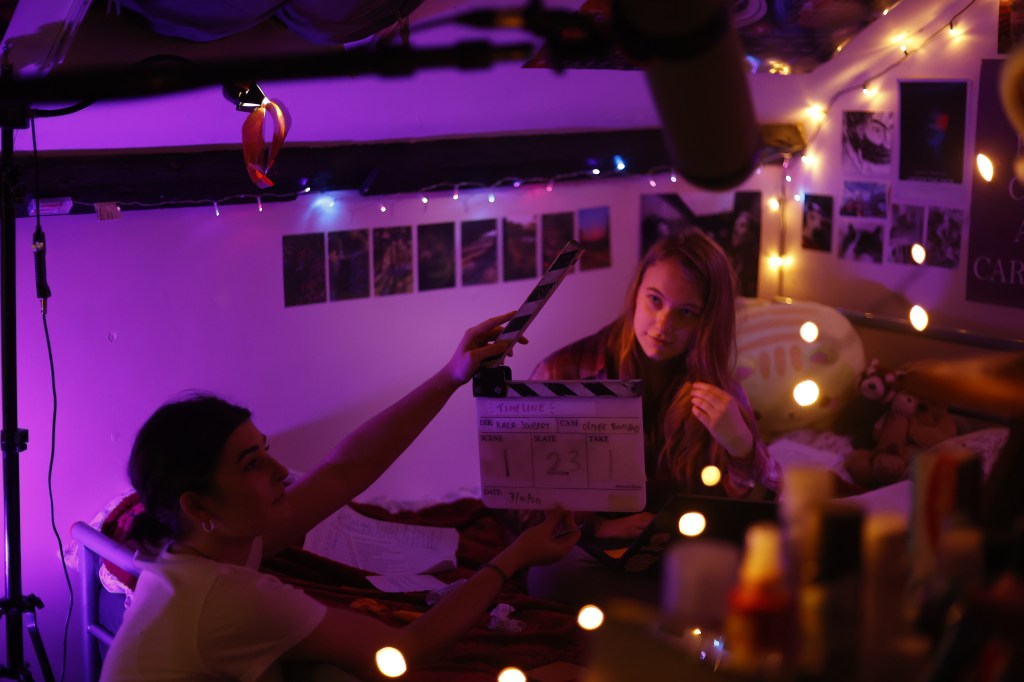
Eventually, I asked the university if we could film on the premises. They said yes, but we still needed a student’s room for “Kate’s” scenes.
I took to social media and asked for anyone willing to allow us to film in their accommodation. A student got back to me and gave us permission to film in her room.
M Carter organised the schedule, which meant we had a time and place to film.
Admittedly, we waited a little late before finding a cast. That wasn’t anyone’s fault. We used the platform mandy.com to find applicants but ran into an issue with the account and so had no cast a week before shooting.
I managed to persuade a friend and colleague to take on the role as Time Line Operator.
Alex Lewczuk harnessing his inner “Time Line Operator”
…and I was about to make my debut as an actress.
Step four: go with your gut
Confession time: unless you class primary school plays such as A Midsummer Night’s Dream and my Munchkin performance from the Wizard of Oz as “acting”, I had never acted before.
For a while after considering myself as “Kate”, I sat in a state of disbelief. I alternated between knowing I was capable of portraying her and doubting that fact.
There were a few last-minute alternatives, but nothing gave me peace. It was partly the last-minuteness of it, and partly the fact that I knew I could do it. I had to listen to my gut.
As an autistic woman, I have learned to mask efficiently. Nobody can really generalise something like autism, but I think a lot of autistic people in social environments and workplaces have to adapt to become acutely aware of their face, body language and tone.
In essence, I had not acted before. However, I know what it means to measure body language. This would feel a bit like that, but taken to an extreme.
Step five: doubt your gut (optional)
I think most people taking on large projects at some point ask themselves: “What on Earth am I doing?”
Several answers can flood in all at once:
“Doing something great.”
“Doing something crazy.”
“Making a fool of yourself.”
There was a brief time when I was surrounded by people who would show no hesitation in telling me that. “Stupid, irrational, silly and weird” are childish words, but they can linger in one’s mind if you let them.
Thankfully, I have good people surrounding me who are really encouraging. This is an important element of taking on a big project: a great support system.
You can only go so far as one person.
Step six: fear and embarrassment are hurdles you have to jump.
I have never been drunk a day in my life.
I have only observed drunkenness from a distance thinking: “Thank goodness I never need to know what that feels like!”
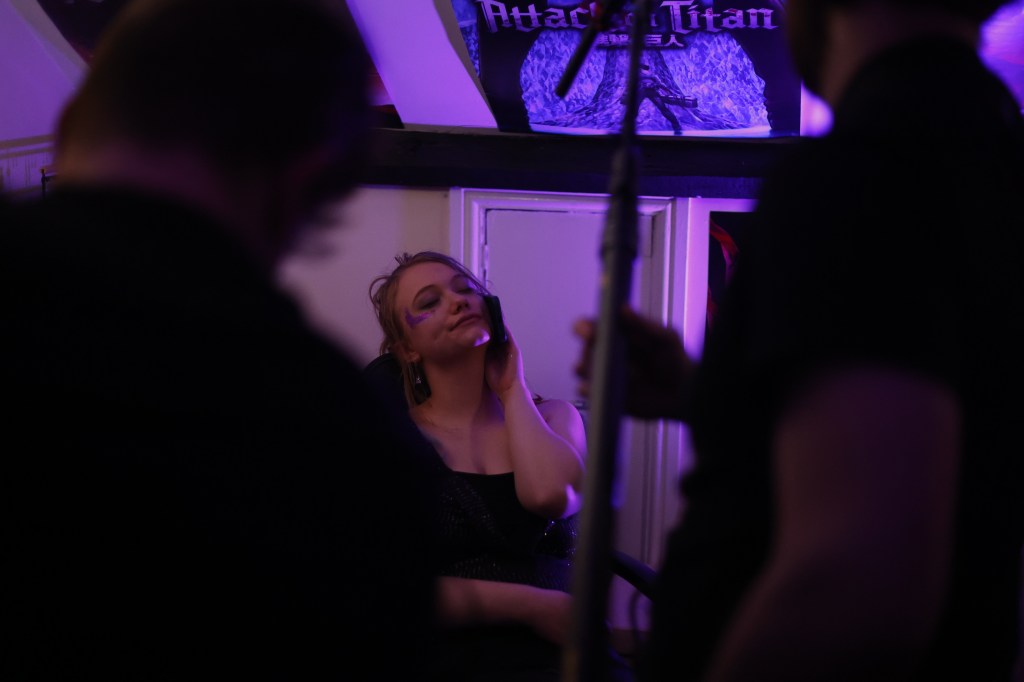
But Kate, my character, does. She gets really tipsy after a night out. I wrote it as such and now I had to act it.
If I let myself think about all the ways I could embarrass myself, I would never have done it. If I let myself feel any fear, then it would have shown. I was the director as well as lead actress. Being a leader, any fear from my end might have impacted the crew as well.
So, I had to jump it. Give up my right to feel afraid. Let myself feel only a little, so I can ride the wave of anxiety as opposed to being drowned by it. After all, fear mixed with excitement is a great alternative to caffeine.
With embarrassment, I have found that it is something to be embraced. It’s bound to be a part of life. If I avoided embarrassment while acting, I figured I would only embarrass myself more.
So I dove straight into it. Slurred speech, messy hair, fake vomit and all.
True, I made some mistakes at first. As the writer of the script, I had no excuse to forget my lines!
However, I managed to strike a balance between my pre-prepared director’s notes, experimenting on the spot and self-critiquing. In the end, it actually ended up being quite fun!
In fact, I would happily act again.
Step seven: celebrate the victories
This step is an important one. Anyone taking on a big project is likely a busy person overall, so taking the time to breathe is just as important as finding the time to be productive.
After filming Time Line, everyone had a Christmas off before reconvening back for the post-production stage. That included myself, which was perfect, as it gave me the time to get prepared to study abroad.
Now I am writing from Brisbane, Australia. Being involved in post-production from halfway around the planet is a funny thing. Thankfully, I managed to sit with the editor, Finlay Dodd, before leaving. However, there is still plenty to do before Time Line can make its film festival debut.
I did not manage to see this film when it was released in the cinema. However, with a 11 hour flight to LA, I suddenly had a lot of time and opportunity on my hands.
The tragedy and triumph of Christopher Reeve is well-established for anyone who lived during his time and has access to Google.
I am a sceptical type when it comes to media forcing emotions upon me, and milking a situation for the sake of milking a tear. I’d much rather the story be told naturally, and for the emotions to naturally swell.
However, the depth and details of this have been beautifully portrayed by the documentary makers who interviewed those closest to him.
Other great techniques used by the documentary makers included the use of music and footage from Christopher Reeve’s films.
Within the first three minutes, you know exactly what you’re going to watch.
Mr. Reeve is depicted in an overall positive manner, but his flaws were explored as well. I found this was important, as with any story about humanity.
As well as humanity, it is also a story about tragedy, loss and taking the resilience of a bad situation and turning it into a “superpower” as to generate change.
The only reason I didn’t give this a five star was the pacing and timeline. The documentary was non-linear, built together with connecting threads if thematic elements, which moved from Reeve’s acting work, to his family, to his injury, and revisited each one in no obvious order.
This is more a case of preference, but I would have liked the timeline to be directed by sequential order. Still, it works for the documentary in the sense that it doesn’t take away from it.
The pace was good on a whole, although I would have liked there to be more time replacing some of the run time with an exploration into the legacy that Reeves left behind.
The tragedy behind Christopher Reeve is a prevalent theme, but this is a natural by-product of the story, rather than its main emotional composition.
I was very impressed, and felt there was a genuine element of tenderness involved. One that did not need to be milked beyond what seemed natural
The story speaks for itself, and the documentary makers involved knew that I would likely cry without them trying.
These are words to live by when it comes to travelling by flight.
It’s a good thing, too. Because preparation paid off. I went to Heathrow a day before my flight, just in case there were issues with the train lines. And there were. BIG ONES.
The entire Elizabeth line was knocked out, which would have meant severe delays for anyone travelling to the airport.
Not for me (cue evil laughter).
It is important to avoid stress as much as possible when it comes to these sorts of things. Especially if a 47 hour travelling period is involved.
That means comfortable clothes, investing in a foot rest for the plane, and ensuring you download your Spotify playlists.
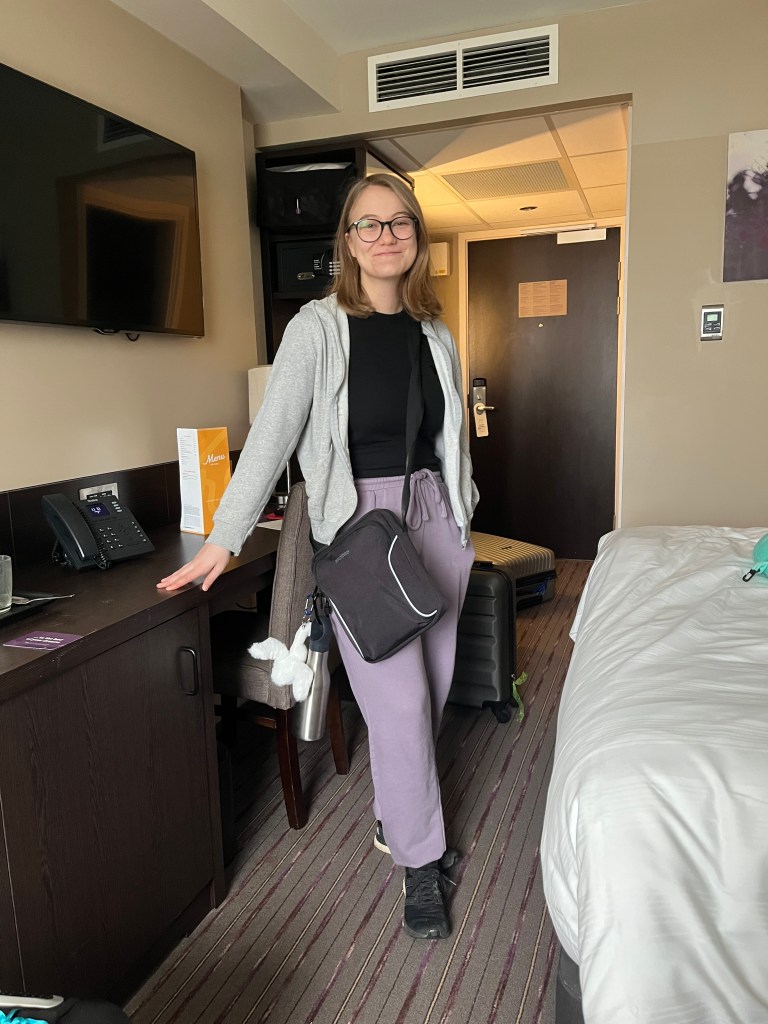
Trainers and joggers: a comfortable flying outfit (featuring the Premier Inn room)
Australia is ridiculously far away. You don’t realise just how big the planet is until 24 hours of sleepless travel has left you with left for right, right for left, legs that are jetlagged and a brain that is cramping.
Some mild confusion is a certain side effect of long haul flights. I react to extreme tiredness like someone who is essentially tipsy.
In all honesty, I did sign up for this.
Plus, it wasn’t all bad. There were some great moments.
I met some amazing people, including an Uber driver who was proud of his kids, essentially acting like the dad from Bluey. There was also a Heathrow staff member who upgraded me to economy plus for free.
Of course, the nice moments, like sugar, is only sweet when compared to sour things like these:
The airport facilities in LAX were… less than welcoming.
I will only be persuaded to go back into LA if a film set is involved.






 Kara Joubert: Writer, Journalist & Filmmaker